
What laser works on what material
| Material | Diode | CO₂ | Fiber | UV | IR module |
|---|---|---|---|---|---|
| Woods | |||||
| Great | Great | No | Works | No | |
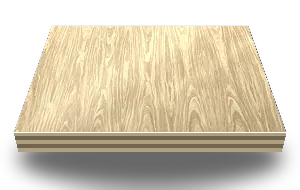 PlywoodEngrave · baltic birch, basswood
| |||||
| Great | Great | No | Works | No | |
| Great | Great | No | Works | No | |
| Great | Great | No | Works | No | |
| Great | Great | No | Works | No | |
| Plastics & Acrylics | |||||
| No | Great | No | Great | No | |
| Limited | Great | No | Great | No | |
| No | No | No | Limited | No | |
| No | Works | No | Limited | No | |
| No | Limited | No | Limited | No | |
| No | Works | No | Limited | No | |
| Bare Metals | |||||
| No | No | Great | Limited | Limited | |
| No | No | Great | Works | Limited | |
| No | No | Great | Works | Limited | |
| No | No | Works | Limited | No | |
| No | No | Great | Works | Limited | |
| Coated Metals | |||||
| Works | Works | Great | Great | Limited | |
| Works | Works | Great | Works | Limited | |
| Limited | Great | Works | Limited | Limited | |
| Leather & Organics | |||||
| Great | Great | Limited | Works | No | |
| Works | Great | No | Works | No | |
| Great | Great | No | Works | No | |
| Fabrics | |||||
| Works | Great | No | Works | No | |
| Works | Great | No | Works | No | |
| Limited | Great | No | Works | No | |
| Works | Great | No | Works | No | |
| Rubber & Foam | |||||
| No | Great | No | Limited | No | |
| Works | Great | No | Limited | No | |
| No | Limited | No | Limited | No | |
| Glass & Ceramic | |||||
| No | Works | No | Great | No | |
| Limited | Works | Works | Great | No | |
| Stone | |||||
| Works | Great | Works | Limited | No | |
| Works | Works | Works | Limited | No | |
| Paper & Cardboard | |||||
| Great | Great | No | Great | No | |
| Great | Great | No | Works | No | |
| Composites | |||||
| No | No | Limited | Limited | No | |
| Never laser these | |||||
| Never: releases chlorine gas | |||||
| Never: releases cyanide fumes | |||||